

Why Restoration Is Worth Considering Before You Buy New
When a boat starts showing its age — faded gelcoat, soft spots in the deck, a tired engine — many owners assume the only option is to sell and start fresh. But boat restoration is often the smarter financial and practical choice, especially for fiberglass and wooden vessels that were built to last decades. A well-executed restoration can bring a boat back to seaworthy condition at a fraction of the cost of a comparable new purchase, while preserving the character and craftsmanship that made the original worth owning in the first place.
Common Problems That Signal a Boat Needs Restoration
Most boats don’t fail all at once. Deterioration tends to follow predictable patterns, and catching problems early makes the restoration process far less invasive.
**Gelcoat oxidation and hull damage** are among the most visible issues. A chalky, dull surface isn’t just cosmetic — oxidized gelcoat no longer protects the laminate beneath it from UV damage and moisture intrusion.
**Deck delamination** happens when water works its way between the fiberglass skin and the core material, usually foam or balsa wood. A spongy feel underfoot is a reliable warning sign. Left untreated, the core rots and structural integrity suffers.
**Mechanical wear** — corroded wiring, failing through-hulls, outdated fuel systems — can make an otherwise sound hull genuinely unsafe. These systems are often overlooked during routine maintenance but are critical to address during a full restoration.
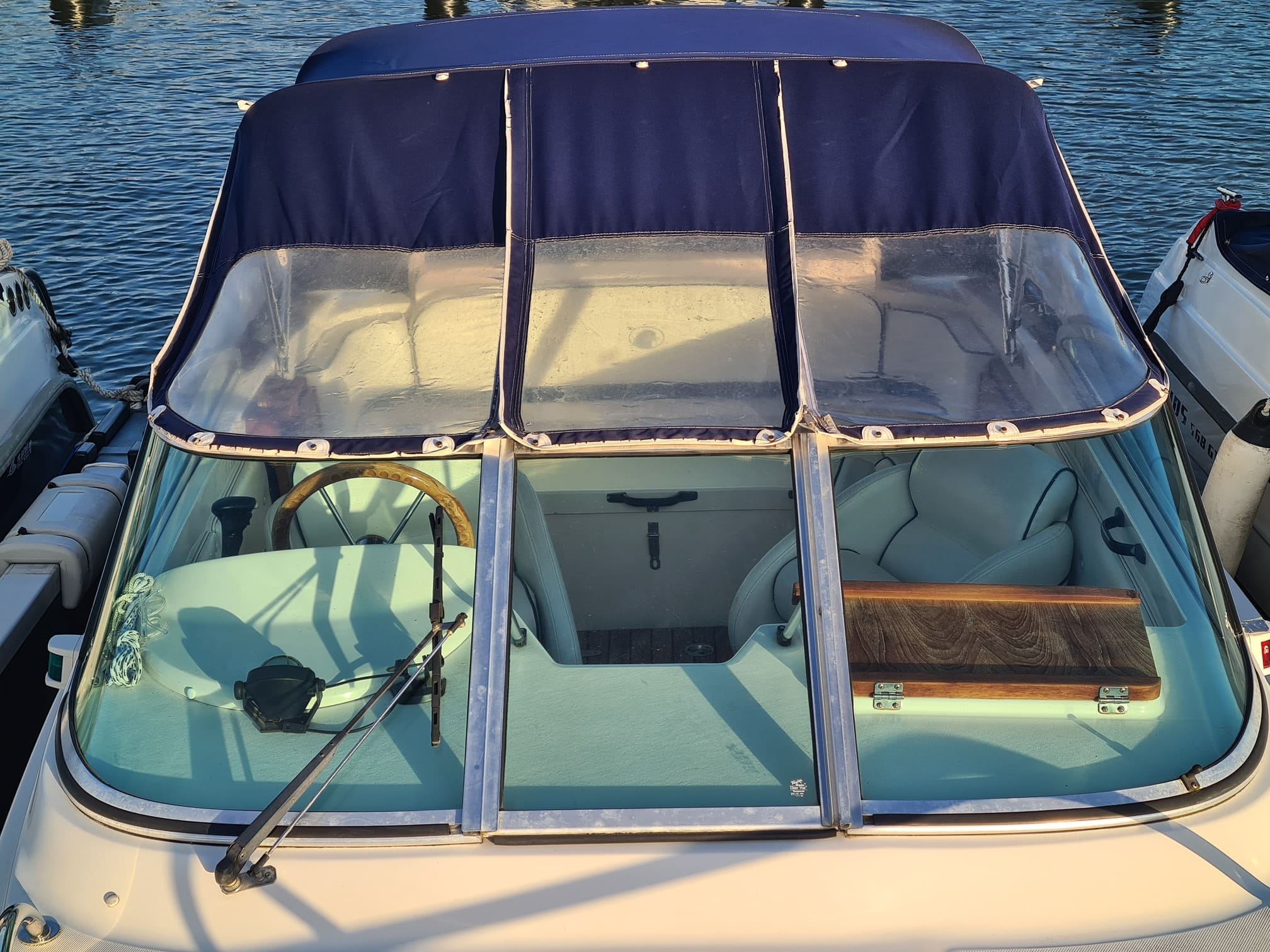
**Upholstery and interior deterioration** may seem minor compared to structural issues, but cracked vinyl, mildewed cushions, and warped cabinetry affect both comfort and resale value significantly.
What a Thorough Restoration Process Looks Like
A professional restoration isn’t just a cosmetic refresh. It typically begins with a full survey of the vessel — hull, deck, mechanical systems, and electrical components — to establish a clear picture of what needs attention.
From there, work generally proceeds in a logical order: structural repairs first, then mechanical systems, then cosmetics. This sequencing matters because refinishing surfaces before addressing underlying moisture or structural issues wastes money and produces results that won’t hold.
For fiberglass hulls, this often means grinding out damaged areas, laying new glass cloth and resin, fairing the surface smooth, and applying fresh gelcoat or paint. For wooden boats, the process involves replacing rotted planks or frames, resealing seams, and applying appropriate protective finishes.
Mechanical restoration might include rebuilding or replacing the engine, overhauling the steering system, rewiring to modern marine standards, and replacing outdated fuel lines and tanks. These are not glamorous jobs, but they’re the ones that determine whether a restored boat is actually safe to use.
Choosing the Right Restoration Approach for Your Boat
Not every boat warrants the same level of investment. A few honest questions help guide the decision:
- **What is the boat’s realistic market value after restoration?** If a complete restoration would cost more than the finished boat is worth, a partial restoration focused on safety and usability may be the better path.
- **What is the boat made of?** Fiberglass is generally more forgiving and less expensive to restore than wood. Aluminum hulls have their own set of considerations.
- **How will the boat be used?** A vessel destined for offshore cruising needs a higher standard of mechanical reliability than one used for calm-water day trips.
Working with a local marine service professional who can inspect the boat in person is essential. Photos and descriptions rarely capture the full picture, and an experienced eye can identify hidden problems — or confirm that a boat is in better shape than it appears.
Maintaining Your Boat After Restoration
Restoration creates a clean baseline, but it doesn’t eliminate the need for ongoing maintenance. In fact, the period immediately after a restoration is the best time to establish good habits.
Annual haulouts allow for hull inspection, bottom paint application, and checking through-hulls and zincs. Regular flushing of the engine cooling system, keeping bilges dry, and storing the boat properly during the off-season all extend the life of the work that’s been done.
Documenting what was repaired or replaced during the restoration is also valuable — both for your own maintenance planning and for any future buyer who will want to know the vessel’s history.
A well-maintained, properly restored boat can provide reliable service for many years. The investment in doing the job right the first time pays off every season you’re on the water without unexpected problems pulling you back to the dock.